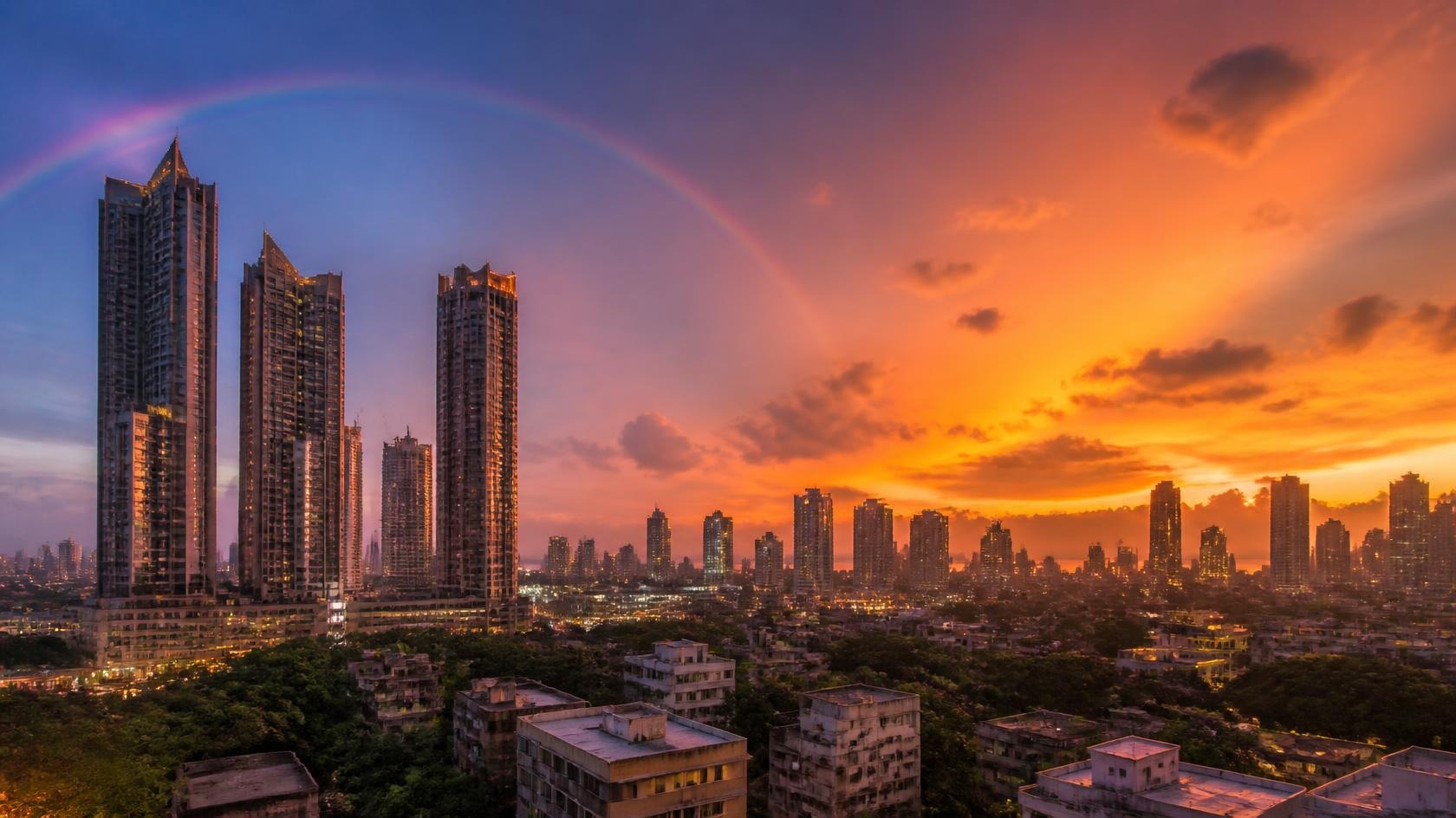
For decades, Indian real estate followed a simple script: capital flowed to Mumbai, Delhi-NCR, and Bengaluru, while everywhere else was treated as secondary. That script is being rewritten. In 2026, Tier-2 and Tier-3 cities in India — places like Indore, Jaipur, Coimbatore, Lucknow, Surat, Nagpur, and Kochi — are no longer playing catch-up. They are setting the pace for the country's next real estate investment cycle.
If you're evaluating real estate investment in India for 2026, understanding why these markets are rising is no longer optional — it's the difference between buying early and buying late.
What Are Tier-2 and Tier-3 Cities? A Quick Definition
Tier-2 cities are medium-sized urban centers with growing economies and populations, generally in the 1-5 million range — think Jaipur, Indore, Kochi, Coimbatore, Surat, and Nagpur. Tier-3 cities are smaller urban areas and district headquarters with emerging development potential, such as Udaipur, Siliguri, Hubballi, and Alwar. Both categories share one thing in common right now: infrastructure and job creation are accelerating faster than housing supply can keep up.
1. Tier-1 Cities Have Hit a Growth Ceiling
Mumbai, Bengaluru, and Delhi-NCR are running short on land, and prices in these metros have stretched well beyond what a large share of buyers can afford. Developers chasing yield and buyers priced out of the metro market are both moving toward the same conclusion: when the flagship city becomes unaffordable, value shifts elsewhere.
Industry leaders have started saying this directly — that with Tier-1 markets largely saturated and offering limited room for future growth, unlocking new real estate territory is now essential to sustaining the sector nationally.
2. Government Infrastructure Spending Is Reshaping Smaller Cities
This shift isn't just sentiment — it's backed by budget allocations. The Union Budget 2026-27 earmarked close to ₹12.2 lakh crore for infrastructure development across Tier-2 and Tier-3 cities, alongside a proposal for seven City Economic Regions (CERs) — including Surat and Varanasi — each receiving ₹5,000 crore over five years.
New expressways, airports, metro corridors, and industrial zones are turning these into serious real estate markets almost overnight. Once a city gets reliable air connectivity and a functioning highway network, its property market stops being "local" and starts being regional — even national.
3. Land Prices Still Have Real Upside
The number that keeps showing up in analyst reports: land prices in several Tier-2 and Tier-3 cities are projected to rise 25% to 100% over the next two to four years. That kind of headroom simply doesn't exist anymore in saturated metro markets, where appreciation has slowed to single digits.
Some forecasts point to a steady 8-12% CAGR in property prices through 2030 for these emerging markets — modest in any single year, but compounding into a meaningfully different outcome than a flat metro market over the same period.
4. Jobs Are Following Infrastructure — and Housing Demand Is Following Jobs
This is the real structural story behind the numbers. Earlier real estate cycles in India were largely liquidity-driven — cheap credit and speculative buying concentrated in the metros. The current cycle looks different: it's anchored in public capital expenditure, industrial expansion, and genuine employment creation happening outside the traditional metro belt.
Cities like Indore, Coimbatore, Jaipur, and Visakhapatnam are reporting double-digit hiring growth in IT and ITES roles, while MSMEs in textiles, food processing, electronics, and pharmaceuticals are increasingly choosing these cities over saturated metro industrial zones. Where the jobs go, housing demand follows — this is the fundamental that makes the current boom different from past speculative run-ups.
5. Hybrid Work Has Permanently Widened the Map
The shift to remote and hybrid work didn't fully reverse post-pandemic, and that flexibility has changed real estate decisions in a lasting way. Many professionals are choosing to leave expensive metros for smaller cities that offer a larger home, dedicated workspace, and a fraction of the cost — without giving up their job.
This is a quiet but durable demand driver. Unlike a new highway or a government scheme, it doesn't depend on continued public investment to keep working — only on employers staying flexible.
6. Buyer Sentiment Has Already Shifted
It isn't only developers and analysts talking up these markets — buyers are voting with intent. In a recent nationwide sentiment survey by ANAROCK covering nearly 2,800 respondents, roughly 26% said they'd prefer to invest in a Tier-2 or Tier-3 city over a metro. Cities such as Ahmedabad, Jaipur, Chandigarh, Nashik, Kochi, and Lucknow are increasingly appearing on serious investors' shortlists — not as backup options, but as primary targets.
What This Means for Investors and Homebuyers in 2026
The next chapter of Indian real estate is being written in mid-sized cities that finally have the infrastructure, the jobs, and the affordability to justify sustained demand. For investors, this is the early-entry window analysts keep pointing to. For homebuyers, it's a rare opportunity to get significantly more home for the money, without sacrificing connectivity or lifestyle.
Tier-2 and Tier-3 cities are no longer the "alternative" real estate market. They are becoming the market.
Frequently Asked Questions
Which Tier-2 cities in India are best for real estate investment in 2026? Jaipur, Indore, Coimbatore, Surat, Nagpur, Kochi, and Lucknow are consistently cited by industry reports as the strongest Tier-2 real estate markets in 2026, thanks to infrastructure investment, job creation, and rising buyer demand.
Why are land prices rising so fast in Tier-2 and Tier-3 cities? Land prices in these cities are projected to rise 25% to 100% over the next two to four years, driven by large-scale government infrastructure spending, new expressways and airports, and industrial expansion that is bringing jobs — and housing demand — into these markets.
Is investing in a Tier-2 or Tier-3 city riskier than investing in a metro? Every market carries risk, but Tier-2 and Tier-3 growth today is backed by budget-allocated infrastructure spending and measurable employment growth, rather than speculation alone — a structural difference from earlier real estate cycles.
How has hybrid work affected real estate demand in smaller Indian cities? Hybrid and remote work options have allowed many professionals to relocate from expensive metros to smaller cities, where they can get larger homes and dedicated workspace at a fraction of metro prices, creating a steady, non-speculative source of housing demand.