Is India’s Economy Under Pressure? Understanding PM Modi’s “Guardian of the Rupee” Appeal and Its Economic Impact
Prime Minister Narendra Modi recently urged Indian citizens to adopt smarter financial habits by postponing unnecessary foreign travel, reducing gold purchases, and encouraging work-from-home models wherever possible.
This public appeal immediately sparked conversations across the country:
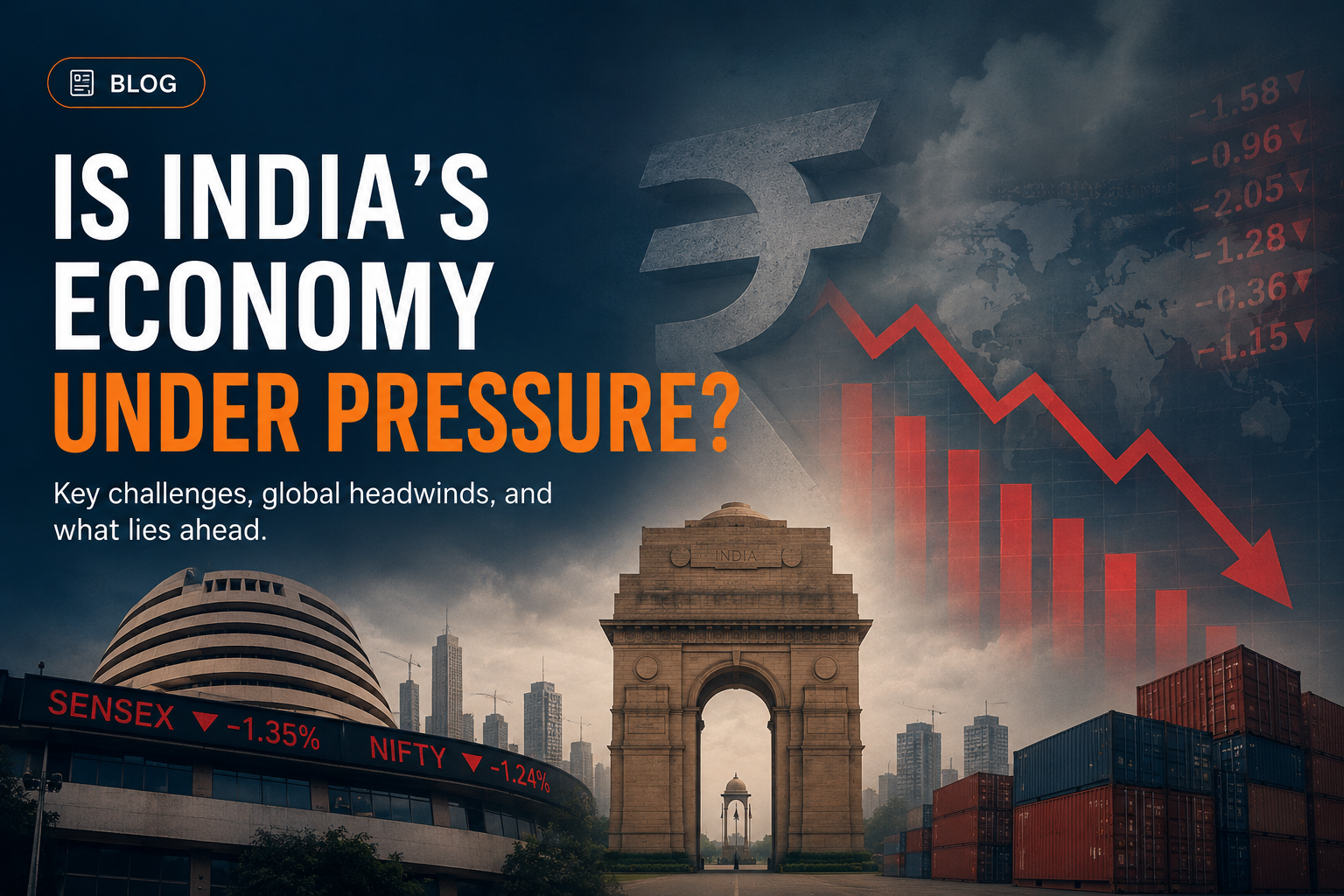
Is the Indian economy under pressure?
The answer is strategic rather than alarming.
India is currently navigating rising geopolitical tensions in West Asia, increasing crude oil prices, and global economic uncertainty. Since India imports nearly 85–90% of its crude oil requirements, any rise in global oil prices directly impacts the Indian economy, fuel prices, inflation, and the value of the Indian Rupee.
At the same time, heavy imports of gold and rising overseas spending create pressure on India’s foreign exchange reserves (Forex Reserves), leading to higher dollar outflow and rupee depreciation.
Instead of introducing strict economic restrictions, the government is encouraging citizens to voluntarily reduce non-essential dollar spending and support economic stability.
Why PM Modi’s Appeal Matters for the Indian Economy
India’s economy remains one of the fastest-growing major economies in the world, but global macroeconomic challenges continue to affect:
- Crude oil prices
- Inflation in India
- Foreign exchange reserves
- Rupee vs Dollar performance
- Import dependency
- Consumer spending patterns
This appeal acts as an economic self-defense strategy designed to protect India from external global shocks while maintaining long-term economic growth.
Industries That Could Be Impacted
Gold & Jewellery Sector
The Indian gold market could witness slower demand in the short term. However, this may increase interest in:
- Sovereign Gold Bonds (SGBs)
- Digital gold investment
- Gold ETFs
- Alternative investment assets
Aviation & International Travel
International vacations and outbound tourism may temporarily slow down, while domestic tourism in India could see strong growth.
This creates opportunities for:
- Indian hospitality businesses
- Local tourism economies
- Hotels and homestays
- Regional travel destinations
IT & Corporate Sector
The return of hybrid work culture and work-from-home models can help reduce:
- Fuel consumption
- Traffic congestion
- Corporate operational costs
- Urban pollution
Automobile & EV Sector
Lower fuel dependency may accelerate:
- Electric vehicle adoption in India
- Public transportation usage
- Sustainable mobility solutions
- EV infrastructure growth
How Citizens Can Support India’s Economic Stability
1. Promote Domestic Tourism
Exploring Indian travel destinations instead of international holidays helps strengthen local economies and supports small businesses.
2. Reduce Fuel Consumption
Using metros, carpooling, electric vehicles, and hybrid work models can reduce India’s oil import burden.
3. Choose Smarter Investments
Investors can consider:
- Sovereign Gold Bonds
- Digital gold
- Gold ETFs
instead of purchasing imported physical gold.
4. Support Indian Brands
Buying locally manufactured products and supporting Indian businesses helps strengthen:
- MSMEs
- Employment generation
- Domestic manufacturing
- Economic circulation
Final Thoughts
PM Modi’s “Guardian of the Rupee” appeal is not a sign of economic panic — it is a proactive economic strategy aimed at protecting India during a period of global uncertainty.
If citizens make conscious financial choices, reduce unnecessary imports, and support domestic economic activity, India can continue maintaining strong economic growth despite rising global challenges.
Sometimes, the strength of an economy is not defined only by government policies — but also by the collective financial discipline of its people.